Getting your Forestville home ready to sell can feel like a lot, especially when you factor in river season, rural systems, and timing. If you plan ahead and focus on what matters most, you can launch confidently and avoid last‑minute surprises. In this guide, you’ll learn exactly what to do before you list, with local steps that fit both riverside cabins and inland wine‑country homes. Let’s dive in.
Why Forestville timing matters
Riverside vs. inland parcels
Forestville spans the Russian River corridor and inland wine‑country terrain. Riverside neighborhoods often have older cabin stock and summer recreation appeal, while inland parcels feel more like classic Sonoma homes. For an overview of the town’s river lifestyle and seasonal draw, explore this local guide to Forestville and the Russian River communities that highlights riverside neighborhoods and summer use.
Peak season and buyer interest
Buyer activity typically rises in spring and early summer as weather improves and weekend traffic increases. If your property shines in summer, plan for listing photos and showings when docks, beaches, and landscaping look their best. This timing often improves first impressions and foot traffic, especially for second‑home shoppers.
Winter storms and access
From November through early spring, heavy rains can impact river levels, slopes, and access on the Russian River. Recent coverage of winter storm impacts in the corridor underscores why many sellers avoid launching during the height of the rainy season. Review current conditions and plan accordingly, especially for riverside or hillside parcels, as reported in local news on evacuation warnings and slides in the area during severe winter weather.
Short‑term rentals and permits
If you operate a vacation rental, confirm your permit status and any rules that may affect a sale. Sonoma County regulates vacation rentals in unincorporated areas, including occupancy standards, property manager requirements, and permit caps. Check the county ordinance details and consult your parcel records so you can disclose clearly and plan transfer or renewal as needed under Sonoma County’s vacation rental program.
Disclosures and tests you can prepare
Required disclosures in California
- Transfer Disclosure Statement (TDS). California sellers must provide a completed TDS describing known material facts about the property. Deliver it early to avoid giving buyers a late cancellation window. See an overview of seller obligations in California regarding the TDS and timing.
- Natural Hazard Disclosure (NHD). You must notify buyers if the home lies in designated hazard zones like special flood hazard areas or mapped fire zones. Review the statutory framework for the NHD in California Civil Code Section 1103.2.
- Lead paint disclosure for pre‑1978 homes. If your home has pre‑1978 construction or components, provide the required lead‑based paint disclosures and give buyers the opportunity to test.
Smart pre‑listing inspections
Ordering your own inspections before listing helps you choose what to repair or disclose and reduces renegotiations. A seller pre‑inspection is a well‑regarded step that smooths the path to closing by addressing issues proactively.
Consider these pre‑listing checks:
- General home inspection to review structure and systems.
- WDO/termite inspection when there’s history or signs of infestation.
- Roof evaluation if age or condition is uncertain.
- Septic system review and pumping (if on septic). Gather maintenance and permit records. Sonoma County maintains septic permit data you can reference through the county’s OWTS dataset.
- Well water testing and yield documentation (if on well). Because well permitting guidance has shifted in Sonoma County, check current Permit Sonoma resources and collect recent lab results and any pump or yield records through the county portal.
- Chimney or woodstove inspection for older fireplaces or stoves.
- Sewer lateral/camera scope if connected to a public system. Certification requirements vary by district, so confirm with your local sewer agency.
Repairs that pay off
Priority A: Safety, lender, and code items
Fix active leaks, electrical hazards, broken steps or handrails, and any obvious structural failures. Install or verify smoke and CO alarms. Address termite findings with treatment and repairs, and document the work. These items protect you, reduce lender concerns, and keep buyers engaged.
Priority B: Major systems and permits
If your roof, HVAC, water heater, or plumbing is at the end of its life, consider repair or replacement. Provide service records or invoices. For septic systems, address any failing components. If there’s unpermitted work, gather records and discuss a plan to legalize or disclose clearly.
Priority C: High‑impact cosmetics
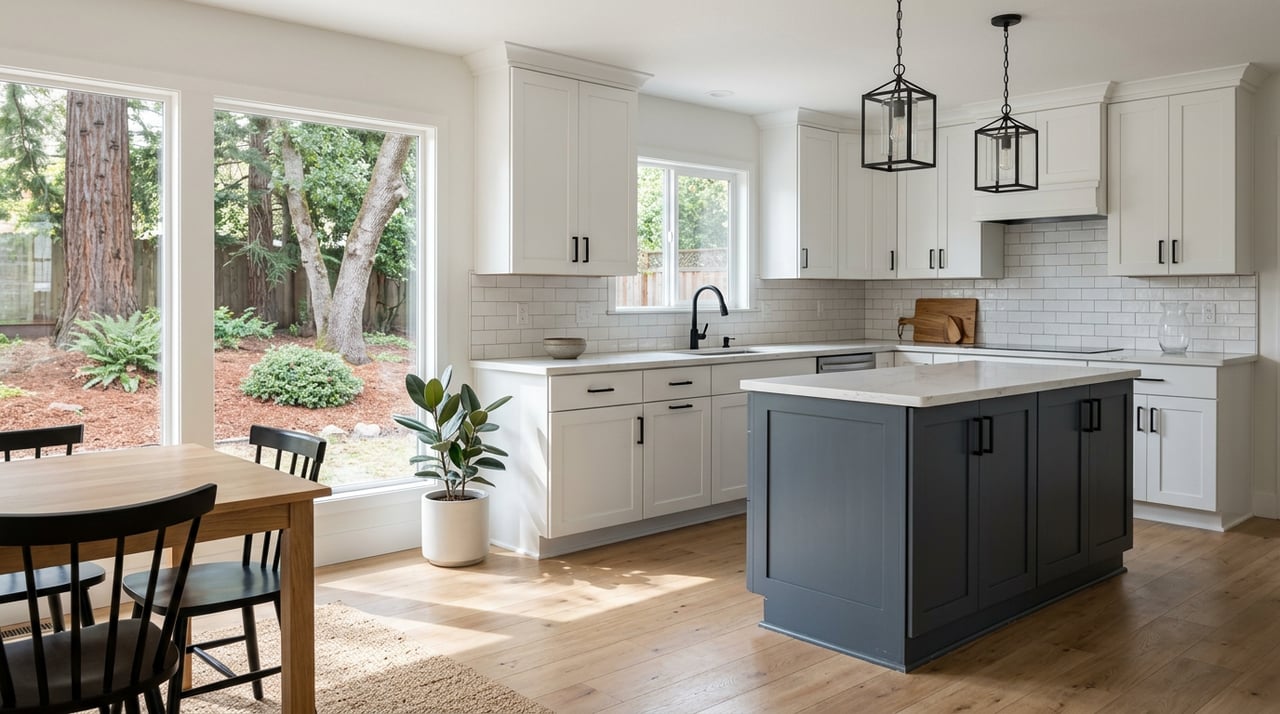
Fresh neutral paint, updated light fixtures, and small kitchen or bath touch‑ups can shift buyer perception for a modest cost. Industry surveys consistently show that light staging and targeted cosmetic updates help buyers visualize living in the space and can shorten time on market.
Priority D: Yard, curb appeal, and resilience
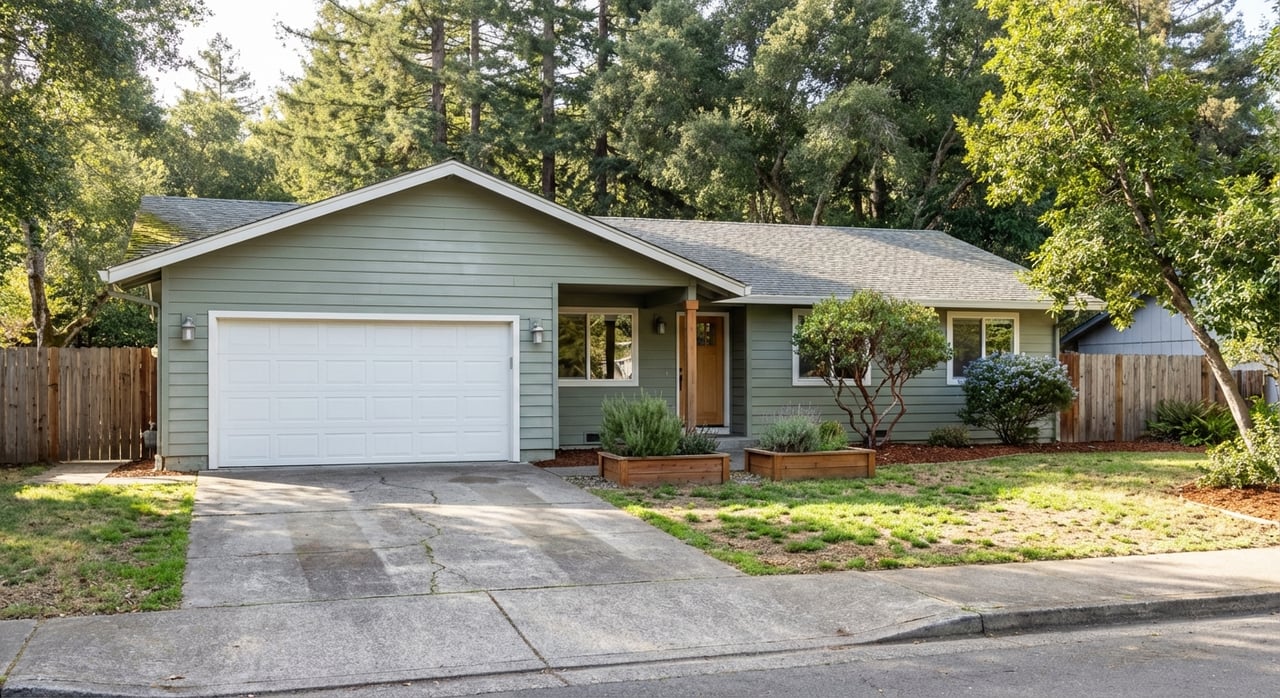
Tidy the landscape, remove clutter, clear gutters, prune for sightlines, and refresh the entry. In Forestville, prioritize visible fire‑readiness and simple water‑wise choices. Defensible‑space work not only improves curb appeal but also supports insurance conversations and buyer confidence. Find practical guidance and local program links in this Sonoma resource hub for wildfire resilience and home hardening.
Decluttering, staging, and curb appeal
Declutter and stage for your buyer pool
Aim for clean, light, and move‑in ready. Remove personal items, thin out furniture, and create clear traffic flow. Use neutral color palettes and simple textures that photograph well. Staging helps buyers imagine their lifestyle in the home, which is especially important for second‑home and river‑lifestyle shoppers.
River properties: dial in the setting
If you’re near the river, secure and tidy dock areas, shore up paths, and organize any documentation on past riparian work or permits. Plan waterfront photos for calm, sunny days in late spring or early summer. Showcase outdoor living areas that make summertime on the Russian River so compelling for seasonal visitors and buyers.
Fire‑wise and water‑wise choices
Create a clean 0–5 foot ember‑resistant zone around the home by removing combustible materials and choosing non‑flammable ground cover. Space and thin vegetation within 5–30 feet, and reduce fuels beyond that where feasible. For planting, choose low‑water native species that fit defensible‑space guidelines and reduce summer irrigation needs.
Photo strategy
If you can, schedule exterior photos for spring or early summer when the property is green and inviting. If you must list in winter, emphasize interior warmth, recent system upgrades, and any resilience improvements in your marketing.
Insurance and lender realities to plan for
- Flood zones. If your structure is in a FEMA Special Flood Hazard Area, lenders will require flood insurance. Pull a FEMA FIRMette and gather any elevation certificates or Letters of Map Change to share with buyers. You can confirm mapping and how to create a FIRMette through FEMA’s Map Service Center.
- Wildfire coverage. Parcels in mapped fire hazard zones face closer insurer review. Provide documentation of defensible space, Class A roofing, ember‑resistant vents, and recent mitigation to support buyer and insurer questions.
Your 10‑week pre‑list timeline
8–10 weeks out
- Gather permits, maintenance receipts, septic or well history, and any STR permits or TOT registration.
- Order a seller’s home inspection and, if relevant, WDO, roof, septic, or well tests. Allow lab and contractor lead times.
- Pull your Natural Hazard Disclosure and confirm any flood or fire zone flags.
6–8 weeks out
- Complete Priority A safety fixes and address key systems in Priority B.
- Get quotes for larger work and secure permits if required. Use licensed, insured contractors and written agreements.
3–4 weeks out
- Deep clean, declutter, and stage. Finish yard work and defensible space.
- Schedule professional photos for the best light and season.
- If operating a vacation rental, align your booking calendar with showings and plan for permit transfer or renewal.
1 week out
- Finalize your disclosure package: TDS, NHD, inspection reports, permits, warranties, and utility info.
- Set a showing schedule and prep a simple checklist for lights, blinds, and pets.
How a full‑service local agent helps
A seasoned Forestville listing agent coordinates inspections, prioritizes repairs, and times your launch for the strongest buyer pool. Your agent will assemble a clean disclosure package, schedule photography in the right season, and market to local and Bay Area second‑home buyers. With hands‑on staging and a clear pricing strategy, you can reduce friction points and keep negotiations focused on value rather than uncertainty.
Ready to sell in Forestville?
Forethought pays off here. Focus on safety and systems first, organize your county records, prepare disclosures early, and showcase the lifestyle buyers want to see in spring and early summer. If you want a step‑by‑step plan tailored to your parcel and neighborhood, reach out to a local expert who knows river and wine‑country nuances. For a personalized prep plan and market strategy, connect with Kandi Cogliandro.
FAQs
What should Forestville sellers fix before listing?
- Start with safety and lender items: leaks, electrical hazards, missing smoke and CO alarms, broken steps, and any termite damage. Then consider roof, HVAC, plumbing, and septic issues before moving to low‑cost cosmetic updates.
When is the best time to list in Forestville?
- Spring into early summer often brings stronger buyer traffic and better curb appeal. Riversides and hillside properties may want to avoid launching during heavy winter storms due to access and presentation challenges.
Do I need a seller pre‑inspection?
- You are not required to, but a seller‑ordered inspection can reduce surprises, help you choose what to repair or disclose, and make negotiations smoother by giving buyers confidence.
What disclosures are required in California?
- You must provide a completed Transfer Disclosure Statement and Natural Hazard Disclosure. Homes with pre‑1978 components also require lead‑based paint disclosures and a buyer opportunity to test.
How do septic and well systems affect a sale?
- Gather records early. Consider a septic pump and inspection plus well water tests so buyers and lenders have current information. In Sonoma County, confirm parcel‑specific guidance and keep lab results and permits handy.
How should I prepare a river property for photos and showings?
- Tidy and secure docks and shoreline access, schedule photos for calm, sunny days in late spring or early summer, and highlight outdoor living areas while being transparent about flood mapping and insurance needs.